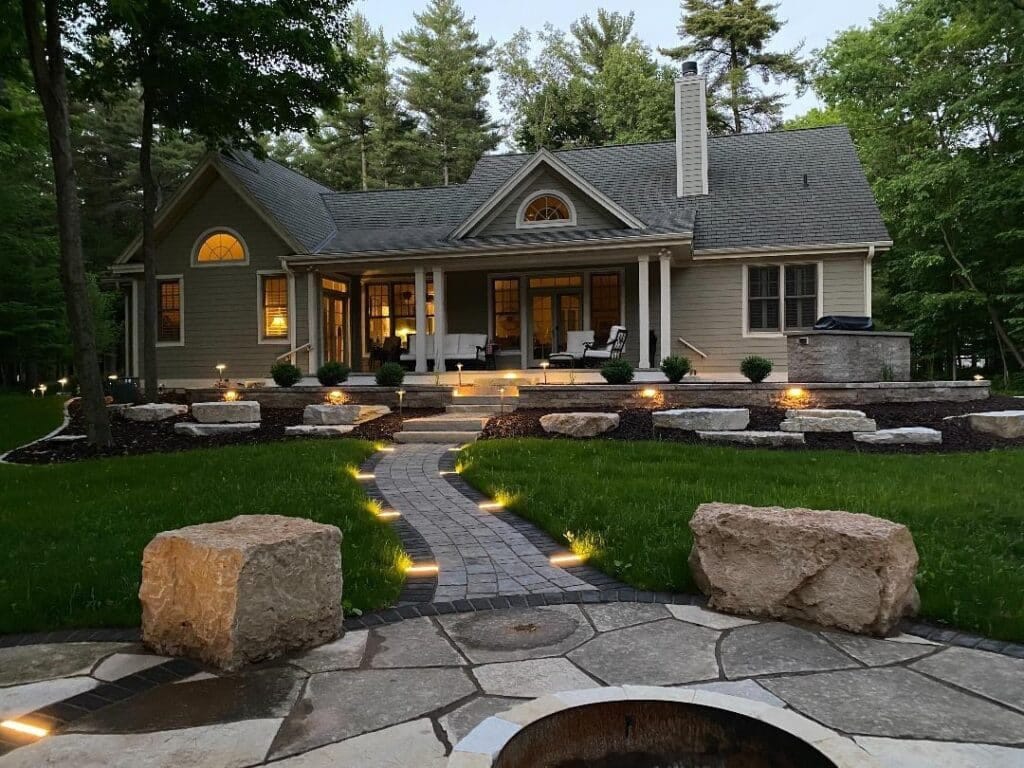
How to Plan Outdoor Lighting Projects on a Budget: The Ultimate Guide
Exterior architecture budget stewardship merges fiscal forecasting, photometric distribution efficiency, electrical load calculus, and sub-grade utility layout durability. Property owners, facilities coordinators, and residential renovators navigating how to plan outdoor lighting projects on a budget frequently confront a fragmented marketplace split between cheap disposable hardware and overpriced commercial contracting. Establishing an enduring, fiscally disciplined exterior illumination plan requires balancing initial capital expenditure against long-term maintenance liabilities, luminaire efficacy, and electrical trenching logistics.
Beneath the polished surface of standard landscaping and architectural accent designs, financial waste often compounds across multi-year cycles. Oversized transformer purchases, improper cable gauge selections, unnecessary fixture densities, and lack of modular scalability continually inflate operational and replacement expenses. Without a structured engineering and financial framework, operators frequently mistake cheap up-front fixture acquisition for genuine fiscal savings, resulting in premature hardware failure and costly total system overhauls. Consequently, mastering long-term budget optimization demands comprehensive planning rigor and granular cost analysis.
Navigating these financial complexities meanwhile requires balancing immediate aesthetic desires against strict regulatory codes, structural power limits, and lifecycle cost realities. Furthermore, the following reference explores financial frameworks, scoping models, tactical variations, economic structures, and multi-year governance protocols for professional landscape lighting budget management.
Understanding how to plan outdoor lighting projects on a budget

When financial analysts and experienced landscape designers evaluate how to plan outdoor lighting projects on a budget, they look past initial sticker prices to calculate total cost of ownership, driver replacement intervals, and electrical trenching labor overhead. Senior estimators specifically examine how low-voltage wire gauge drops and transformer tap configurations influence system efficiency across extended runs. A robust budgeting framework rejects arbitrary cost-cutting; rather, it prioritizes critical safety and path-finding zones first, deferring purely decorative accent layers until subsequent fiscal phases. Meanwhile, common market confusion treats budget lighting design as a simple exercise in buying discount fixtures online, thereby risking rapid hardware corrosion and electrical short circuits.
Effective budget planning balances immediate safety illumination thresholds against long-term expansion flexibility. When DIY designers oversimplify this process, they fail to account for how under-specifying transformer capacity prevents future system additions without a complete electrical redesign. Purchasing an undersized 100-watt transformer to save initial cash guarantees a total replacement expense when additional garden paths require illumination next season, for example.
Ignoring local soil composition and moisture drainage during sub-grade material selection also leads to rapid system degradation and recurring repair costs. Specifically, burying cheap non-rated cable directly in acidic soil creates chronic ground faults that demand expensive professional troubleshooting. Ultimately, mastering how to plan outdoor lighting projects on a budget treats exterior infrastructural investment as a precision economic and engineering discipline.
Deep Contextual Background
The evolution of budget-conscious exterior lighting practices tracks parallel to the technological leap from high-voltage incandescent systems to modern solid-state low-voltage LEDs and modular wireless controls. Historically, executing landscape lighting projects demanded heavy line-voltage trenching, rigid metal conduits, and expensive certified electrician labor for every single fixture connection. These legacy configurations placed robust outdoor illumination financially out of reach for average property owners, restricting large-scale installations to commercial estates and high-end industrial facilities.
Eventually, the commercial standardization of 12-volt low-voltage transformers and direct-burial cable democratized exterior design by permitting safe, shallow-depth installation methods that property owners could manage independently. Concurrently, the mass production of high-efficacy solid-state LEDs and modular plug-and-play connectors dramatically reduced per-fixture energy draws and component costs. Despite these technological leaps, however, the proliferation of low-quality online consumer imports has introduced new financial risks related to premature driver burnout and weather sealing failures.
Modern economic pressures, including rising material costs and strict municipal energy codes, have further elevated the importance of precise financial planning. Property managers and homeowners increasingly demand modular scalability, energy-efficient power supplies, and durable metallurgy that withstands seasonal weather extremes. Therefore, contemporary budget planning must prioritize phased installation strategies, robust commercial-grade core components, and efficient optical distribution over sheer fixture quantity.
Conceptual Frameworks and Mental Models
Navigating the financial and operational intricacies of budget-constrained exterior design becomes more manageable when applying specific mental models to evaluate resource allocation, circuit loading, and project phasing.
-
The Phased Implementation and Priority Matrix: Divides site illumination into mandatory safety zones, secondary architectural accents, and tertiary decorative features across staged fiscal years. Limit: However, delayed secondary phases can occasionally require re-trenching established turf if utility conduits were not pre-laid.
-
The Total Cost of Ownership vs. Initial Outlay Model: Evaluates how spending slightly more on cast-brass fixtures and heavy-duty transformers eliminates expensive replacement cycles within three to five years. Limit: Nevertheless, strict upfront capital limits can occasionally force compromise on initial material grades.
-
The Lumen-to-Dollar Efficiency Hierarchy: Assesses the mathematical ratio of usable light output per dollar spent, ensuring financial resources target high-impact visual areas. Limit: Assuming proper fixture placement, blind reliance on lumen output can ignore harsh glare risks.
-
The Modular Scalability and Transformer Headroom Principle: Guides the selection of multi-tap transformers with a mandatory thirty-percent electrical wattage buffer to accommodate future budget expansions. Limit: Consequently, miscalculating cumulative voltage drop over long runs can still compromise future fixture additions.
Key Categories or Variations
Budget-conscious outdoor lighting approaches fall into distinct financial and technical classifications. Each category carries specific trade-offs regarding upfront capital outlays, installation complexity, and long-term durability.
| Budget Strategy Category | Primary Technical Focus | Typical Target Infrastructure | Main Trade-offs |
| Phased Low-Voltage Expansion | Installing a centralized commercial transformer with excess capacity for future fixture additions | Residential garden paths, patio perimeters, and front entryway landscaping | Spreads capital costs over time; furthermore, requires careful initial wire sizing to prevent future voltage drop. |
| Direct-Burial DIY Low-Voltage Kits | Utilizing all-inclusive packaged starter sets featuring pre-wired fixtures and basic transformers | Small suburban yards, flower bed accents, and single-door entryways | Extremely low initial cost; however, uses lower-grade plastic or thin aluminum housings prone to rapid wear. |
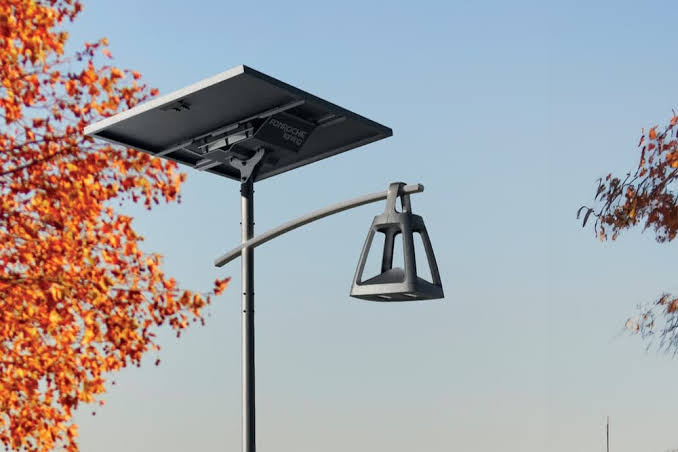
| Modular Solar-Powered Units | Deploying standalone solar fixtures with integrated photovoltaic panels and batteries | Remote fence lines, unpaved secondary driveways, and isolated garden features | Zero wiring or electricity cost; nevertheless, dependent on regional winter sunlight hours and battery degradation. |
| Smart Timer and Photocell Automation | Implementing centralized astronomical timeclocks to eliminate wasteful daytime burning | Commercial parking edges, multi-family courtyards, and estate property lines | Dramatically lowers utility bills; along with requiring basic digital programming and stable power. |
| Strategic Micro-Zoning Redesign | Concentrating high-end fixtures strictly on focal points while using low-cost markers elsewhere | Commercial storefronts, boutique hospitality venues, and luxury residential facades | Maximizes visual impact per dollar; along with requiring meticulous photometric planning and layout discipline. |
| Cast-Metal Component Salvage and Upgrade | Retaining sturdy legacy brass or heavy aluminum housings while retrofitting new LED modules | Historic municipal parks, institutional quadrangles, and established commercial sites | Preserves heavy structural capital; however, requires technical skill to match internal driver voltages. |
Realistic Decision Logic
When evaluating these budget variations against site requirements, project planners weigh initial cash flow limits against multi-year maintenance realities. Residential homeowners operating on tight cash constraints frequently begin with expandable low-voltage transformer kits, upgrading individual plastic fixtures to cast brass over time. Commercial properties simultaneously prioritize durable cast-metal hardware and automated scheduling immediately to prevent recurring replacement labor expenses.
Detailed Real-World Scenarios
Scenario A: Suburban Residential Garden with Strict Annual Cash Limits
-
Constraints: A homeowner desiring comprehensive front-yard and patio landscape illumination with a strict maximum cash budget of five hundred dollars.
-
Decision Points: Purchasing a heavy-duty multi-tap transformer with room to grow, a spool of direct-burial cable, and a small set of commercial-grade aluminum path lights rather than a cheap plastic box kit.
-
Failure Modes: Buying a massive multi-fixture discount kit that uses brittle plastic stakes and non-replaceable LED bulbs, resulting in total system failure after one winter.
-
Second-Order Effects: Investing in a quality transformer and durable core wiring allows the owner to add high-grade brass fixtures incrementally over subsequent seasons without re-wiring.
B : Small Commercial Retail Plaza with High Parking Lot Energy Bills
-
Constraints: A boutique strip mall facing soaring monthly electricity charges and limited capital reserves for a total lighting infrastructure replacement.
-
Decision Points: Upgrading existing pole and wall-pack fixtures to high-efficiency LED retrofit modules and installing a centralized astronomical timeclock controller.
-
Failure Modes: Selecting cheap universal LED retrofit drivers that lack surge protection, causing premature component failure during summer electrical storms.
-
Second-Order Effects: Certified surge-protected LED retrofits cut monthly electricity consumption by sixty percent, paying back the initial project capital within eighteen months.
C : Historic Estate with Complex Architectural Preservation Rules
-
Constraints: Strict municipal preservation laws prohibiting deep trenching or surface-mounted conduit across historic stone masonry and manicured lawns.
-
Decision Points: Utilizing wireless mesh lighting controllers and shallow spade-cut low-voltage cable paths hidden directly beneath turf roots.
-
Failure Modes: Forcing rigid PVC conduit installation that damages historic root structures and violates local preservation ordinances.
-
Second-Order Effects: Surface-adjacent low-voltage wiring and wireless smart controls preserve the historic landscape integrity while maintaining strict budget compliance.
D : Municipal Community Park with Frequent Vandalism and Theft
-
Constraints: A public park suffering from chronic copper wire theft and fixture vandalism, operating under a tight municipal parks budget.
-
Decision Points: Transitioning to heavy-duty, tamper-resistant cast-brass downlights mounted high out of reach, paired with armored low-voltage shielding.
-
Failure Modes: Installing standard consumer-grade path lights that are easily kicked over or stolen within the first week of deployment.
-
Second-Order Effects: Armored infrastructure and secure mechanical mounting eliminate vandalism losses, stabilizing long-term maintenance expenditures.
Planning, Cost, and Resource Dynamics
Establishing a financially disciplined approach to landscape illumination involves balancing upfront material acquisition outlays, professional electrical installation fees, and multi-year lifecycle savings projections. Financial variability typically stems from system scale, metallurgy quality, and trenching labor requirements.
| Budget Project Tier | Financial Range (USD) | Primary Variables |
| Entry-Level DIY Kit | $150 – $400 total | Molded plastic housings, basic plug-in transformer, light-gauge wire |
| Mid-Tier Expandable System | $600 – $2,000 | Commercial-grade transformer, cast aluminum/brass fixtures, thick burial cable |
| High-End Estate Overhaul | $2,500 – $7,500+ | Multi-zone transformers, premium cast-brass luminaires, professional trenching |
| Commercial Retrofit Project | $5,000 – $20,000+ | High-output LED wall-packs, astronomical controllers, commercial bucket truck labor |
-
Direct Costs include transformers, luminaires, direct-burial cable, waterproof splice connectors, and mounting hardware.
-
Indirect Costs cover electrical permit acquisition fees, trenching equipment rental, professional design consultations, and old equipment disposal.
-
Opportunity Costs arise when purchasing ultra-cheap consumer lighting kits saves cash today but triggers expensive replacement cycles and frustrating troubleshooting labor within two years.
Tools, Strategies, and Support Systems
Executing a budget-conscious outdoor lighting project requires an ecosystem of precise measurement tools, planning aids, and material support supplies.
-
Photometric Layout Calculators: Software tools that map light distribution angles to prevent over-lighting and wasted fixture purchases. Limit: However, complex topography and dense foliage can occasionally distort digital rendering accuracy.
-
Digital True-RMS Multimeters: Essential for measuring voltage drop across long cable runs to ensure remote fixtures receive adequate operating current. Limit: Nevertheless, multimeters require basic electrical knowledge to interpret readings correctly.
-
Manual Wire Strippers and Crimping Tools: Ensure clean, professional connections during cable splicing to prevent high-resistance joints and service call-backs. Limit: Improper tool calibration can nick fine wire strands, causing eventual circuit failure.
-
Direct-Burial Cable Spool Caddies: Simplify the physical laying of thick underground wire runs, preventing twists and cable jacket abrasions. Limit: Caddies add a minor tool acquisition cost to DIY project budgets.
-
Heat Guns and Silicone Solder Sleeves: Provide professional, weather-tight encapsulation for low-voltage wire splices without expensive resin kits. Limit: Inadequate heat application leaves microscopic gaps in the waterproof seal.
-
Torque Wrenches: Ensure housing mounting bolts and transformer terminal lugs are tightened to exact manufacturer specifications. Limit: Over-torquing can strip delicate metal threading or shatter glass lenses.
Risk Landscape and Failure Modes
Budget-constrained exterior lighting projects present significant technical hurdles, subjecting systems to moisture degradation, electrical voltage drop, thermal stress, and mechanical damage. Understanding failure modes prevents compounding financial losses.
-
Undersized Cable Gauge Selection: Using thin 16-gauge wire over long low-voltage runs causes severe voltage drop, causing remote lamps to flicker or dim noticeably.
-
Poor Splice Water Ingress: Relying on standard indoor electrical tape instead of silicone-filled gel wire nuts allows damp soil moisture to corrode conductors rapidly.
-
Transformer Overload and Thermal Tripping: Exceeding transformer wattage capacity by adding too many budget fixtures triggers chronic thermal breaker shutdowns.
-
Unprotected LED Driver Burnout: Selecting budget fixtures lacking internal surge protection causes lightning transients and grid spikes to fry driver boards instantly.
-
Shallow Cable Trenching Vulnerability: Laying direct-burial wire too close to the surface results in frequent damage from lawn aerators, shovels, and foot traffic.
Governance, Maintenance, and Long-Term Adaptation
Maintaining optimal financial efficiency across multi-year operational cycles requires structured governance protocols, regular system audits, and proactive hardware maintenance.
-
Monitoring Cycles: Conducting quarterly nighttime visual inspections catches minor fixture misalignment, burned-out lamps, and encroaching foliage before efficiency drops.
-
Adjustment Triggers: Facility managers and property owners modify transformer tap settings and timer schedules whenever seasonal daylight changes or system expansions occur. Consequently, ignoring seasonal adjustments results in wasted electricity and premature bulb wear.
-
Layered Maintenance Checklist:
-
Inspecting central transformers for enclosure rust, insect nests, and secure terminal block connections.
-
Testing astronomical timeclock programming and battery backups after seasonal daylight saving time shifts.
-
Verifying that direct-burial cable entry points and junction box seals remain watertight and free of cracks.
-
Cleaning accumulated dirt and mineral deposits from luminaire glass lenses to maintain maximum light output efficacy.
-
Measurement, Tracking, and Evaluation
Evaluating the success of a budget-conscious lighting project balances quantitative financial metrics against qualitative aesthetic and safety indicators.
-
Quantitative Indicators: Measured via utility billing statements and project ledger reviews. Key benchmarks include tracking initial capital expenditure against projected budgets, verifying zero voltage drop across runs, and measuring kilowatt-hour efficiency gains.
-
Qualitative Signals: Assessed through visual verification of uniform illumination levels, absence of harsh glare, and seamless nighttime property navigation.
-
Documentation Examples:
-
Project Budget Ledger: Detailed financial spreadsheets tracking every material purchase, tool rental, and labor expense against original estimates.
-
Master Infrastructure Map: Scaled site sketches marking buried cable paths, transformer locations, and fixture identification numbers.
-
Maintenance and Upgrade Logbook: Historical ledgers recording component replacements, transformer adjustments, and seasonal maintenance dates.
-
Common Misconceptions and Oversimplifications
-
Myth: Purchasing the cheapest discount lighting kits online is always the best way to plan outdoor lighting projects on a budget. Correction: Instead, cheap plastic components fail rapidly from UV exposure and moisture, costing more in replacement parts over time.
-
Myth: Low-voltage 12-volt landscape systems require no professional electrical planning or voltage drop calculations. Correction: On the contrary, ignoring wire gauge sizing rules causes remote fixtures to dim severely and burn out prematurely.
-
Myth: Solar-powered landscape lights provide reliable, maintenance-free illumination in all geographic regions. Correction: In contrast, cloudy winters and shaded yards dramatically reduce solar battery performance, leading to premature failure.
-
Myth: Leaving exterior lights burning continuously all night is more cost-effective than installing smart automation timers. Correction: Rather, astronomical timers and motion dimming schedules slash annual electricity consumption drastically.
-
Myth: Upgrading exterior fixtures requires completely rewiring an entire property from scratch. Correction: In rather modular systems, existing direct-burial cable networks can be reused while upgrading only the luminaire heads.
-
Myth: Professional landscape lighting design is a luxury that provides zero practical return on investment. Correction: In contrast, thoughtful architectural and security illumination significantly enhances property valuation and nighttime safety.
Ethical, Practical, and Contextual Considerations
Responsible budget-conscious exterior lighting design extends beyond personal financial ledgers to impact community ecology and environmental sustainability. Unshielded budget floodlights and excessive lumen output contribute directly to artificial skyglow, disorienting nocturnal wildlife and causing severe neighborly light nuisance. Furthermore, reckless disposal of retired low-quality LED drivers and electronic ballasts containing heavy metals contributes to environmental pollution if not routed through certified e-waste recycling streams.
Adhering strictly to dark-sky optical cut-off standards, optimizing energy density per square foot, and practicing responsible e-waste recycling ensures budget projects remain ecologically sound and socially responsible. Balancing initial financial constraints, environmental stewardship, and human safety ensures exterior lighting infrastructure remains efficient and sustainable over decades of operation.
Conclusion
Mastering how to plan outdoor lighting projects on a budget requires synthesizing financial discipline, electrical load calculus, and optical engineering principles. Instead of relying on cheap disposable shortcuts, property owners and managers who implement structured scoping frameworks build resilient, highly efficient exterior systems that maximize visual impact while respecting fiscal limits. Consequently, thoughtful budget planning transforms chronic maintenance drains into streamlined, profitable architectural assets. Thus, rigorous technical evaluation elevates the standard of contemporary landscape infrastructure management.