Explore professional insights, optical frameworks, and technical strategies to select the best outdoor lighting for security and properties.
Exterior perimeter protection merges criminal deterrence psychophysics, optical glare engineering, closed-circuit telemetry integration, and robust low-voltage electrical distribution resilience. Property owners, facilities directors, and security consultants seeking the best outdoor lighting for security frequently encounter a fragmented market flooded with high-lumen consumer floodlights rather than tactical optical deterrence systems. Specifying dependable defensive illumination requires analyzing vertical foot-candle distributions, infrared camera sensor sensitivity, motion-activated trigger latency, and housing vandalism resistance across sprawling residential and commercial boundaries.
Beneath the bright interface of smart security app integrations, perimeter hardware operates under extreme environmental distress. Deliberate vandalism, salt-spray corrosion, seasonal lightning surges, and aggressive thermal cycling continuously test structural and electronic durability. Without an overarching engineering blueprint, specifiers often mistake raw lumen intensity for defensive capability, inadvertently creating blinding glare pockets that mask intruder movement while violating dark-sky codes. Consequently, achieving a genuinely secure perimeter requires a multi-layered understanding of human behavior, optics, and electronic power architecture.
Navigating these tactical parameters meanwhile demands balancing immediate capital constraints against long-term maintenance overhead and neighborly light-trespass mitigation. Furthermore, the following reference explores structural topologies, optical variations, economic frameworks, and multi-year governance protocols for professional exterior security illumination management.
Understanding Best Outdoor Lighting for Security
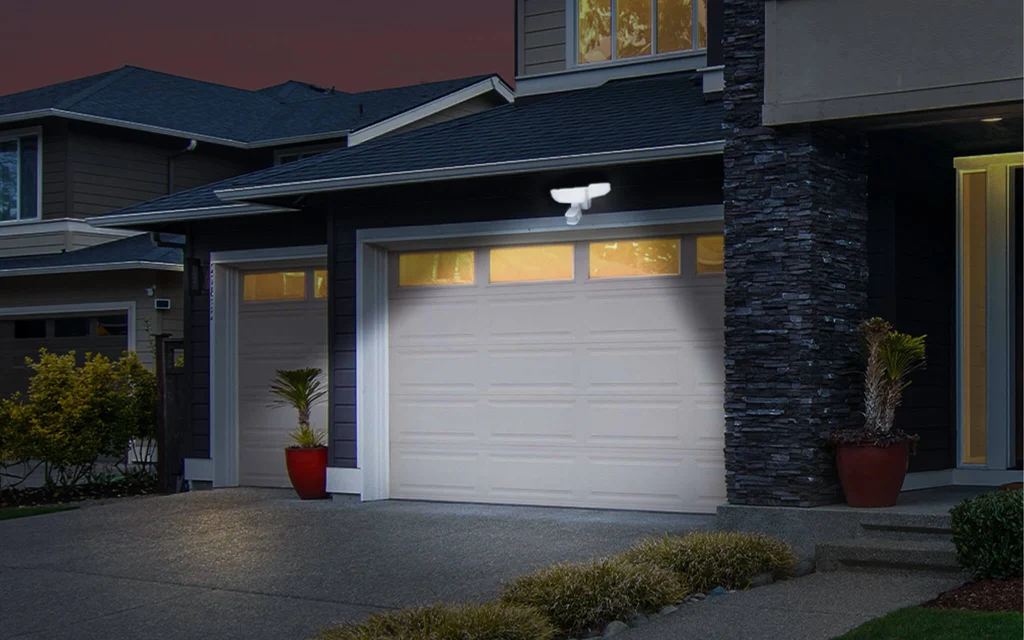
When security auditors and facilities engineers evaluate the best outdoor lighting for security, they look past raw wattage ratings to analyze vertical illumination planes, facial recognition color rendering, and shadow minimization angles. Senior consultants specifically examine how high-contrast lighting interacts with property typography and camera field-of-view thresholds to prevent blind spots. A robust security framework rejects indiscriminate floodlighting; rather, it coordinates continuous low-level perimeter orientation lighting with high-intensity motion-triggered accent zones. Meanwhile, common market confusion treats perimeter security lighting as a simple bright bulb exercise, thereby creating harsh glare that blinds security cameras and human observers alike.
Effective defense planning balances continuous dusk-to-dawn minimum visibility against sudden dynamic illumination shifts that startle potential intruders. When property owners oversimplify this dual requirement, they fail to account for how unshielded high-intensity lamps create deep optical shadows where intruders can hide safely out of sight. For instance, poorly aimed wall-pack floodlights cast intense light near the building facade while plunging the outer property perimeter into pitch blackness.
Furthermore, ignoring motion sensor detection angle calibration leads to constant false alarms caused by wildlife, swaying tree branches, or passing traffic. Specifically, uncalibrated passive infrared sensors trigger frequent nuisance activations, eventually causing residents or guards to disable the system entirely. Ultimately, true system planning treats the best outdoor lighting for security as a precision psychological and optical deterrent network.
Deep Contextual Background
The evolution of perimeter illumination tracks parallel to the transition from high-intensity discharge metal halide lamps and high-pressure sodium fixtures to solid-state light-emitting diodes and intelligent digital surveillance integration. Historically, security lighting relied on massive, power-hungry floodlights that burned continuously throughout the night, generating significant energy overhead and severe light pollution. These legacy configurations offered zero dynamic control, lacked color accuracy for facial identification, and demanded thick, high-voltage conduit runs.
Eventually, the commercial integration of passive infrared sensors and compact fluorescent technology introduced rudimentary motion-activation capabilities. Concurrently, the rapid maturation of high-efficacy solid-state LEDs and high-definition low-light camera sensors revolutionized defensive design by permitting instantaneous activation, adjustable color temperatures, and precise optical cutoff distribution. Despite these technical leaps, network vulnerability, power grid dependency, and cyber-security risks have intensified across modern estates.
Modern regulatory pressures, municipal lighting ordinances, and privacy mandates have further elevated the operational standards expected from security hardware. Municipalities and commercial developers increasingly require strict shielding to prevent light trespass onto neighboring parcels. Therefore, contemporary security fixture selection must prioritize optical precision, reliable trigger responsiveness, and robust weather sealing over mere raw brightness.
Conceptual Frameworks and Mental Models
Navigating the operational intricacies of tactical security hardware becomes more manageable when applying specific mental models to evaluate visual deterrence, sensor coverage, and system resilience.
-
The Vertical Foot-Candle and Facial Recognition Matrix: Maps light intensity across human eye and face levels to ensure security cameras capture clear identification footage. Limit: However, highly reflective surfaces or harsh glare can wash out digital camera sensors.
-
The Motion-Trigger Latency and Overlap Model: Evaluates the physical transition zones between adjacent motion sensors to eliminate blind spots during intruder movement. Limit: Nevertheless, extreme ambient temperature variations can degrade passive infrared sensor sensitivity.
-
The Contrast and Shadow Minimization Hierarchy: Assesses how multi-angle illumination fills dark shadow pockets behind landscape features and architectural corners. Limit: Assuming proper fixture placement, overgrown vegetation can still create unexpected new hiding spots.
-
The Hardwired Redundancy and Power Fail-Safe Principle: Guides the integration of backup battery units and manual override switches to maintain security during grid outages. Limit: Consequently, prolonged blackouts will eventually exhaust backup battery reserves if solar or generator support is absent.
Key Categories or Variations
Perimeter security lighting fixtures fall into distinct functional classifications. Each category carries specific trade-offs regarding optical coverage, physical durability, and tactical utility.
| Fixture Category | Primary Technical Focus | Typical Target Infrastructure | Main Trade-offs |
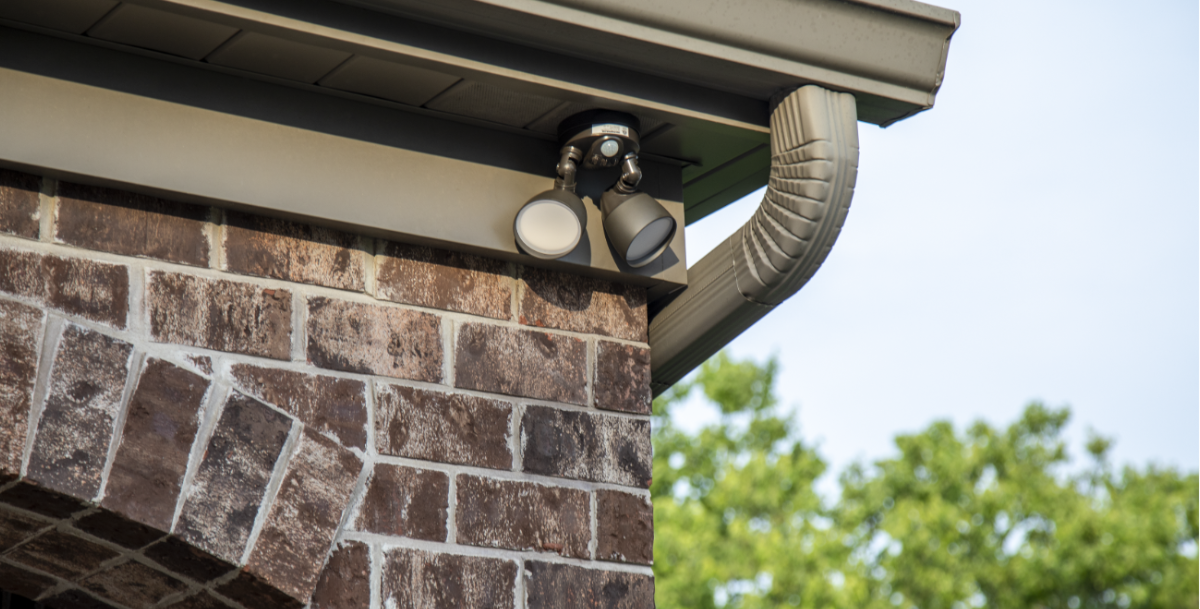
| Adjustable Dual-Head LED Floods | High-lumen directional beams activated by passive infrared motion sensors | Residential corners, side alleys, and detached garage entryways | Immediate high-intensity response; furthermore, prone to glare if aimed improperly into windows. |
| Architectural Wall-Pack Fixtures | Continuous downward-directed illumination mounted securely to building perimeters | Commercial loading docks, warehouse walls, and industrial building perimeters | High durability and continuous coverage; therefore, can cast deep shadow pockets close to the wall. |
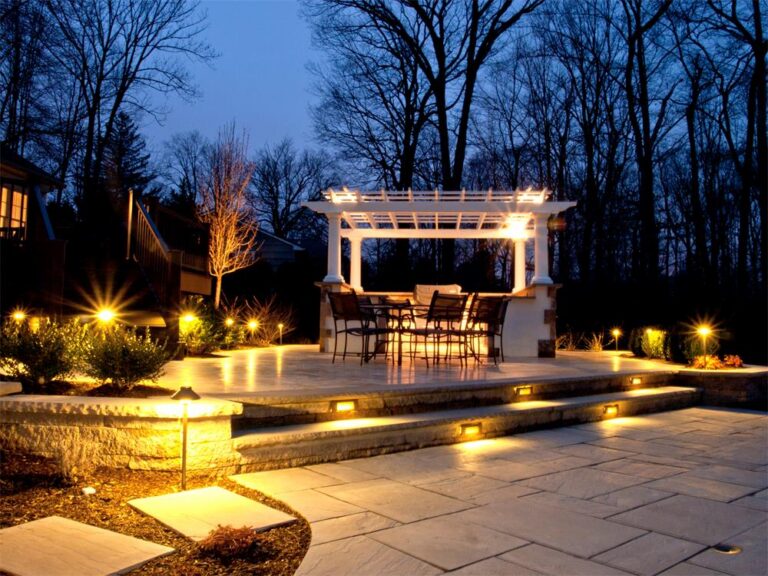
| Linear Step and Recessed Hardscape Lights | Low-level continuous guidance marking property boundaries and pathways | Retaining walls, perimeter fences, and gated entry thresholds | Subtle aesthetic profile; along with limited vertical height coverage for tall intruders. |
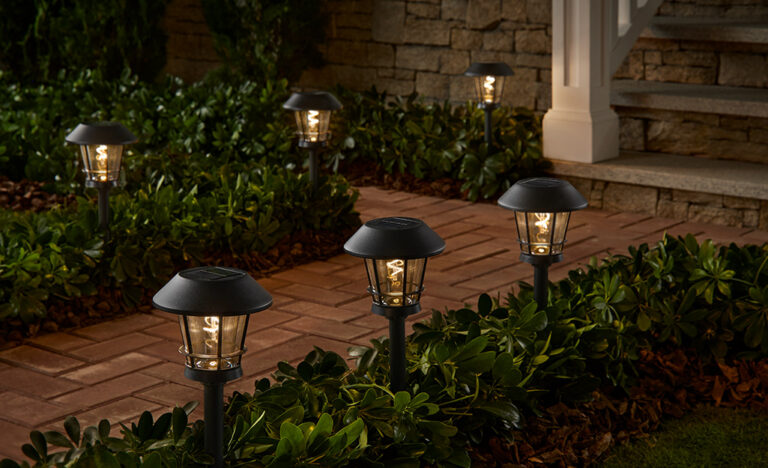
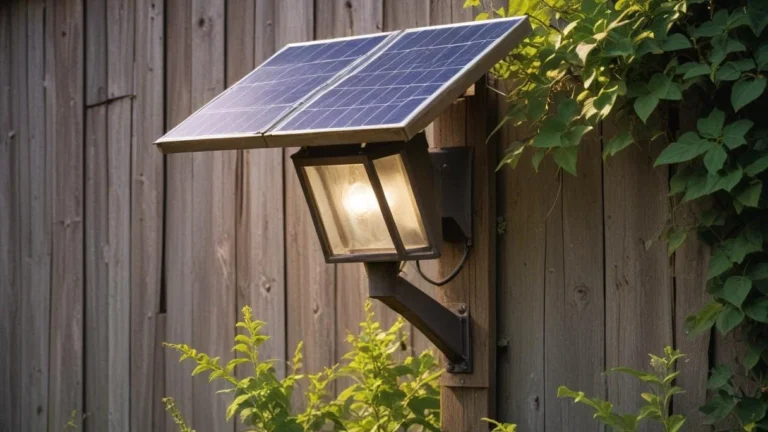
| Solar-Powered Perimeter Units | Off-grid autonomous illumination featuring remote-mounted solar panels | Remote property gates, perimeter fences, and isolated acreage boundaries | Independent operation; nevertheless, limited by winter solar harvest and battery capacity. |
| Smart Camera-Integrated Floodlights | Dual-purpose fixtures combining high-output LED arrays with HD video recording | Primary residential entry doors, driveways, and vulnerable side gates | Dual security telemetry; thus, dependent on stable local Wi-Fi and cloud bandwidth. |
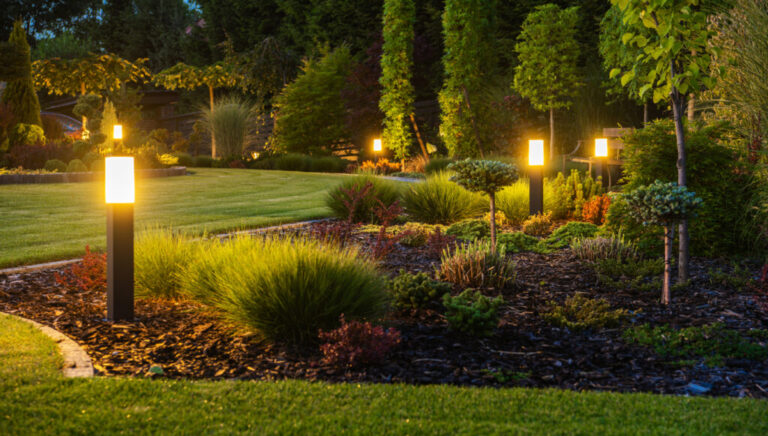
| High-Output Bollard Security Lights | Sturdy vertical posts providing continuous low-level boundary demarcation | Commercial driveways, institutional perimeters, and parking perimeters | High mechanical impact resistance; along with high initial hardware and trenching cost. |
Realistic Decision Logic
When evaluating these fixture variations against site requirements, system specifiers weigh environmental threat levels against property layout constraints. For example, commercial industrial yards prioritize rugged wall-pack fixtures and continuous bollard arrays to ensure uninterrupted overnight visibility. Conversely, suburban residential properties favor smart camera-integrated floodlights and targeted motion sensors to deter trespassers while preserving neighborhood peace.
Detailed Real-World Scenarios
Scenario A: Isolated Rural Acreage with Long Perimeter Fences
-
Constraints: Zero existing grid infrastructure along perimeter boundaries, frequent wildlife traffic, and complete darkness.
-
Decision Points: Deploying high-capacity solar-powered perimeter units featuring adjustable microwave motion sensors rather than thermal sensors.
-
Failure Modes: Dense wildlife populations triggering constant false motion activations, draining battery reserves before morning hours.
-
Second-Order Effects: Adjusting microwave sensor sensitivity thresholds and implementing narrow detection zones filters out small animals, preserving battery life.
Scenario B: Urban Commercial Warehouse with Frequent Vandalism Risks
-
Constraints: Aggressive vandalism attempts, dark blind corners behind shipping containers, and lack of on-site night security staff.
-
Decision Points: Installing vandal-resistant polycarbonate wall-packs paired with multi-zone security cameras and continuous low-level backup lighting.
-
Failure Modes: Intruders intentionally smashing exterior fixture lenses with blunt objects to plunge the loading dock into darkness.
-
Second-Order Effects: Selecting IK10-rated impact-resistant housing and mounting fixtures well out of arm’s reach thwarts vandalism attempts.
Scenario C: Coastal Luxury Estate with Strict Neighborly Privacy Laws
-
Constraints: Proximity to neighboring properties, strict municipal light-trespass codes, and high-end aesthetic architectural mandates.
-
Decision Points: Specifying fully shielded down-directed architectural sconces and low-profile path lighting connected to smart geofencing automation.
-
Failure Modes: Bright motion-triggered floodlights shining directly into neighboring bedroom windows, sparking legal disputes.
-
Second-Order Effects: Precision full-cut-off optics and adjustable dimming profiles maintain strict compliance without sacrificing security coverage.
Scenario D: Multi-Family Residential Parking Garage and Walkways
-
Constraints: High pedestrian foot traffic, dark stairwell corners, and underground concrete construction blocking wireless signals.
-
Decision Points: Implementing a hardwired industrial-grade DMX or 0-10V dimming control grid combining continuous low-level safety lighting with high-output motion bursts.
-
Failure Modes: Power fluctuations and summer electrical storms frying internal LED drivers across multiple parking levels.
-
Second-Order Effects: Integrating heavy-duty transient voltage surge suppressors safeguards driver electronics, ensuring uninterrupted resident safety.
Planning, Cost, and Resource Dynamics
Establishing a professional perimeter security lighting layout involves balancing direct hardware acquisition costs, electrical installation labor outlays, and long-term maintenance liabilities. Financial variability typically stems from fixture metallurgy, smart sensor complexity, and wiring trenching requirements.
| Security System Tier | Financial Range (USD) | Primary Variables |
| Basic Motion-Activated Flood Kits | $70 – $200 per unit | Plastic or aluminum bodies, twin LED heads, passive infrared sensors |
| Commercial LED Wall-Packs | $250 – $600 per fixture | Heavy die-cast aluminum, glass or polycarbonate lenses, high surge protection |
| Smart Camera-Integrated Units | $300 – $800 per unit | HD video streaming, onboard motion detection, app integration modules |
| Industrial Bollard & Pole Systems | $1,000 – $3,000+ total | Extruded steel columns, high-output drivers, concrete anchor footings |
-
Direct Costs: Security luminaires, motion sensors, low-voltage or line-voltage cables, mounting brackets, and junction boxes.
-
Indirect Costs: Electrical permitting, professional trenching labor, network integration configuration, and structural engineering mounts.
-
Opportunity Costs: Purchasing cheap consumer floodlights leads to rapid moisture failure and false alarm frustration. Whereas, commercial-grade security hardware ensures multi-decade operational reliability and genuine deterrence.
Tools, Strategies, and Support Systems
Executing precise security lighting design requires an ecosystem of specialized measurement instruments, alignment tools, and diagnostic software.
-
Foot-Candle Light Meters: Essential for measuring vertical and horizontal illumination levels across perimeter boundaries to verify security standards. Limit: However, ambient streetlighting or moon illumination can skew direct meter readings.
-
Infrared Thermal Imaging Cameras: Detect electrical resistance hotspots and failing LED driver boards inside sealed security housings. Limit: Ambient solar radiation heating can occasionally interfere with thermal diagnostic readings.
-
Digital True-RMS Multimeters: Used to verify line voltage stability and check low-voltage control signal transmission across long cable runs. Limit: Moreover, diagnostic testing requires safe physical access to energized junction boxes.
-
Microwave and PIR Sensor Testers: Calibrate motion detection lobes and test trigger sensitivity ranges across complex architectural terrain. Limit: Dense vegetation or moving shadows can still trigger unexpected false activations.
-
Surge Protection Devices (SPDs): Shield sensitive security drivers and camera electronics from lightning-induced voltage spikes. Limit: Direct lightning strikes can overwhelm sacrificial SPDs, requiring manual replacement.
-
Torque Wrenches: Ensure housing bolts and waterproof cable glands are tightened to exact manufacturer specifications to maintain water seals. Limit: Over-torquing can crack glass lenses or strip metal threading.
Risk Landscape and Failure Modes
Exterior security environments are exceptionally challenging, subjecting electronic hardware to thermal extremes, deliberate vandalism, moisture intrusion, and power surges. Understanding failure modes prevents compounding security breakdowns.
-
Water Ingress via Cable Glands: Improperly tightened cable entries allow driving rain to siphon directly into fixture driver compartments.
-
Thermal Driver Overheating: Operating high-output security floods inside unventilated enclosures during intense summer heat causes premature driver failure.
-
Lightning Surge Transients: Long perimeter wiring runs act as electrical antennas, channeling high-voltage surges straight into connected control relays.
-
Camera Blind Spots from Glare: Overly intense security lights create harsh lens flare on surveillance cameras, blinding security footage during critical incidents.
-
Sensor Obstruction by Foliage: Unpruned tree branches and growing bushes block motion sensor lines of sight, rendering detectors completely useless.
Governance, Maintenance, and Long-Term Adaptation
Maintaining optimal performance across multi-year security cycles requires structured governance protocols, regular optical audits, and proactive hardware maintenance.
-
Monitoring Cycles: Conducting quarterly nighttime security audits reveals how plant growth, lens yellowing, and sensor misalignment impact perimeter protection.
-
Adjustment Triggers: Technicians recalibrate motion sensor angles, trim encroaching foliage, and clean fixture lenses whenever security coverage degrades. Consequently, ignoring routine maintenance creates dangerous security blind spots.
-
Layered Maintenance Checklist:
-
Inspecting security luminaire lenses and glass surfaces for dirt, spider webs, and mineral deposits.
-
Testing motion sensor trigger ranges and camera viewing angles during simulated night intrusion tests.
-
Verifying surge protection indicator lights remain active to confirm electrical shielding integrity.
-
Backing up smart security camera configurations and checking firmware update logs.
-
Measurement, Tracking, and Evaluation
Evaluating the success of a perimeter security lighting implementation balances quantitative foot-candle metrics against qualitative deterrence feedback.
-
Quantitative Indicators: Measured via light meter surveys and system telemetry logs. Key benchmarks include tracking minimum vertical foot-candle levels, motion sensor activation reliability, and uptime percentages.
-
Qualitative Signals: Assessed through security incident reviews, camera footage clarity, and elimination of property trespass attempts.
-
Documentation Examples:
-
Security Photometric Plan: Detailed site drawings charting fixture locations, beam angles, and vertical foot-candle contours.
-
Electrical Distribution Schematic: Comprehensive wiring diagrams indicating circuit loads, breaker panels, and surge protection locations.
-
Maintenance and Incident Logbook: Historical records tracking fixture cleanings, driver replacements, and sensor calibration adjustments.
-
Common Misconceptions and Oversimplifications
-
Myth: Installing the brightest possible floodlight automatically creates the most secure property perimeter. Correction: Instead, excessive glare blinds security cameras and human eyes, creating dangerous shadow hiding spots.
-
Myth: Motion sensors never require sensitivity adjustments or seasonal calibration checks. Correction: On the contrary, changing foliage and temperature shifts require periodic sensor tuning to prevent false alarms.
-
Myth: All outdoor security fixtures feature identical weatherproofing standards regardless of price. Correction: In contrast, cheap consumer floodlights use basic rubber gaskets, whereas commercial units feature IP66 or IP67 ratings.
-
Myth: Solar security lights are fully capable of replacing wired fixtures in high-security commercial applications. Correction: While useful for remote gates, solar units lack the continuous high-lumen output required for industrial perimeters.
-
Myth: Leaving security lights burning at maximum brightness all night is more effective than motion dimming. Correction: Rather, smart dimming profiles that burst to full brightness upon motion trigger alert occupants more effectively than static glare.
-
Myth: Exterior security cameras require no auxiliary lighting if infrared night vision is enabled. Correction: Although infrared helps, color optical illumination provides vastly superior facial identification and evidentiary detail.
Ethical, Practical, and Contextual Considerations
Responsible exterior security lighting extends beyond private property boundaries to impact nocturnal ecology and community environments. Unshielded security floodlights emitting intense glare upward and outward contribute directly to artificial skyglow, disorienting nocturnal wildlife and causing severe neighborly light nuisance. Furthermore, hyper-sensitive motion lights triggered repeatedly by passing stray animals create unnecessary neighborhood friction.
Integrating full cut-off optics, warm color temperatures below 3000K, and precise motion sensor zoning mitigates environmental and social impacts. Balancing human safety, property protection, and rigorous ecological stewardship ensures nighttime perimeters remain secure, efficient, and respectful of surrounding communities.
Conclusion
Mastering perimeter protection requires synthesizing human deterrence psychophysics, optical engineering, and electrical distribution discipline. Instead of relying on superficial consumer floodlights, property managers who carefully select the best outdoor lighting for security build resilient, responsive environments that deter intruders while withstanding environmental extremes. Consequently, thoughtful fixture specification transforms vulnerable property boundaries into secure, professional architectural assets. Thus, disciplined technical evaluation elevates the standard of contemporary exterior security management.