Best Outdoor Lighting Maintenance Plans: The Ultimate Guide
Exterior facility management intersects electrical engineering, microclimate meteorology, asset depreciation accounting, and landscape aesthetics. Property owners and commercial managers responsible for long-term site integrity frequently attempt to implement the best outdoor lighting maintenance plans across complex architectural landscapes filled with disparate luminaire brands, varying driver topologies, and aging underground cabling networks. Rather than acting as a simple bulb-replacement chore, a rigorous maintenance framework requires systematic tracking of thermal decay, voltage drop, seal integrity, and seasonal foliage growth against aggressive environmental stressors.
Beneath the outward gleam of evening architectural lighting, exterior systems operate under severe weather cycles. Temperature fluctuations, soil settling, ultraviolet exposure, and irrigation mineral deposits constantly test structural and electrical reliability. Without a structured preventive approach, operators frequently mistake intermittent flickering for minor bulb burnout, missing deep-seated ground faults or water-logged junction boxes that eventually destroy entire electrical zones. Consequently, achieving long-term system reliability demands an operational understanding of how electronic components degrade beneath exterior grade.
Navigating these maintenance realities meanwhile requires balancing immediate labor budgets against catastrophic repair expenses. Additionally, the following reference dissects foundational service frameworks, structural variations, operational costs, and long-term governance models for professional exterior illumination upkeep.
Understanding best outdoor lighting maintenance plans

When facility directors evaluate the best outdoor lighting maintenance plans, they look past basic reactive service calls to analyze driver lifecycle curves, circuit load balancing, and proactive moisture mitigation. Senior engineers specifically examine how seasonal ground freezing and thawing cycles stress direct-burial cable splices and push-in connectors. A robust maintenance strategy instead rejects single-visit fixes; rather, it integrates bi-annual electrical audits, lens cleaning schedules, and transformer voltage verification. Meanwhile, common market confusion treats maintenance as an unbudgeted emergency expense, thereby accelerating fixture corrosion and system-wide premature obsolescence.
Effective maintenance balances scheduled preventive interventions for electronic drivers alongside rapid corrective responses for physical landscape damage. When facility managers oversimplify this balance, they fail to account for how aggressive lawn equipment and root expansion disrupt luminaire alignment and housing seals. For instance, standard rubber gaskets degrade rapidly under intense summer UV radiation, whereas silicone-treated compression seals maintain waterproofing properties longer, thus necessitating entirely different inspection intervals.
Furthermore, ignoring voltage drop across long branch circuits leads to chronic electronic driver starvation. Specifically, pairing unmonitored multi-tap transformers with aging wire runs creates voltage imbalances that overheat internal semiconductor components. Ultimately, true maintenance planning treats an exterior lighting system as an evolving thermodynamic network requiring disciplined administrative oversight.
Deep Contextual Background
The evolution of exterior lighting maintenance tracks parallel to the transition from high-voltage legacy incandescent infrastructure to low-voltage solid-state semiconductor systems. Historically, maintenance teams dealt with fragile quartz-halogen bulbs, heavy cast-iron enclosures, and high-wattage metal halide ballasts that demanded frequent lamp swaps and heavy equipment rentals. These legacy networks relied on rigid metal conduits and massive voltage overhead, subsequently concentrating maintenance labor on mechanical ballast replacements and heavy-gauge wiring repairs.
Eventually, the widespread adoption of low-voltage 12V/24V light-emitting diodes and marine-grade brass housings transformed service protocols. Solid-state technology shifted maintenance focus from fragile glass bulbs to electronic driver longevity, thermal heat-sink management, and moisture intrusion prevention. Concurrently, the integration of smart zoning controls and Wi-Fi-enabled transformers introduced software diagnostic capabilities to physical maintenance operations.
Despite these technical advances, environmental and regulatory pressures have intensified site management complexity. Modern municipalities enforce strict dark-sky codes, requiring maintenance teams to ensure luminaires remain precisely aimed downward without tilting or shifting. Therefore, contemporary maintenance programs must prioritize optical alignment audits and shield verification alongside traditional electrical testing.
Conceptual Frameworks and Mental Models
Navigating the operational intricacies of exterior illumination service becomes more manageable when applying specific mental models to evaluate electrical decay, mechanical wear, and labor allocation.
-
The Bathtub Curve of Electronic Reliability: Maps infant mortality driver failures against wear-out phases caused by thermal cycling. Limit: However, low-quality initial components or severe lightning surges flatten or distort standard statistical bathtub projections.
-
The Moisture Ingress Cascade Model: Traces how a single compromised wire splice permits capillary water movement through copper strands into the main housing. Limit: Nevertheless, gel-filled connectors can mask micro-leaks until hydrostatic pressure forces sudden ground-fault trips.
-
The Thermal Stress Accumulation Hierarchy: Evaluates how mulch burial and direct sun exposure compound internal driver operating temperatures. Limit: Consequently, laboratory thermal ratings fail to account for site-specific organic debris buildup.
-
The Total Asset Lifecycle Formula: Guides budget allocations by weighing preventative audit costs against major system replacement expenditures. Limit: Assuming steady component availability, it fails to account for discontinued proprietary modular parts.
Key Categories or Variations
Exterior lighting maintenance programs vary widely in scope, frequency, and technical depth. Each service category accordingly addresses specific operational tiers, ranging from basic residential upkeep to complex commercial asset management.
| Maintenance Plan Tier | Primary Service Scope | Typical Target Infrastructure | Main Trade-offs |
| Basic Reactive Repair | On-demand troubleshooting, bulb replacement, and emergency wire splicing | Simple residential low-voltage path and bullet light systems | Low initial cost; furthermore, frequent catastrophic failures occur due to neglected root causes. |
| Seasonal Preventive Audits | Bi-annual comprehensive inspections, lens cleaning, and voltage checks | Estate gardens, architectural facades, and hospitality grounds | Moderate cost; therefore, catches minor issues before permanent electronic component burnout. |
| Comprehensive Commercial Service | Monthly diagnostics, automated remote monitoring, and priority dispatch | Corporate parks, municipal plazas, and high-end retail centers | High fixed overhead; if unoptimized, incurs unnecessary site visits during stable periods. |
| Architectural Custom Care | Precision optical re-aiming, DMX control calibration, and metallurgical passivation | Luxury residential estates and landmark public structures | Specialized labor required; additionally, demands custom replacement parts inventory management. |
| Smart-System Managed Plans | Remote firmware updates, voltage drop telemetry, and automated fault alerts | Connected IoT landscape lighting and multi-zone commercial arrays | Relies on stable network connectivity; thus, vulnerable to local internet or gateway outages. |
| Environmental Hardened Care | Specialized salt-spray mitigation, scale removal, and gasket replacement | Coastal marine properties, water feature accents, and harsh industrial sites | Intensive manual labor; along with frequent use of specialized dielectric protective compounds. |
Realistic Decision Logic
When evaluating these service variations against site requirements, facility directors weigh environmental harshness against operational risk tolerance. For example, coastal marine resorts prioritize environmental hardened care plans with monthly salt-scale cleaning. Conversely, suburban residential properties prioritize bi-annual seasonal preventive audits to manage routine plant growth and minor ground shifting.
Detailed Real-World Scenarios
Scenario A: Coastal Resort Property Facing Aggressive Marine Corrosion
-
Constraints: Salt-laden air, high humidity, blowing sand, and intense UV exposure.
-
Decision Points: Enrolling in a monthly maintenance plan focused on freshwater lens rinsing and dielectric grease re-application on all brass threads.
-
Failure Modes: Salt accumulation bridging electrical contacts, pitting bronze housings, and fusing threaded bezel rings permanently shut.
-
Second-Order Effects: Consistent preventive servicing prevents complete luminaire seizure, saving thousands in premature fixture replacement costs.
Scenario B: Corporate Campus with Expansive Turf and Heavy Mower Traffic
-
Constraints: Frequent commercial landscaping operations, string trimmer impacts, and shifting soil beds.
-
Decision Points: Implementing a quarterly maintenance schedule featuring physical fixture realignment, stake re-anchoring, and conduit depth checks.
-
Failure Modes: Commercial string trimmers cracking composite bodies and slicing low-voltage branch cables hidden beneath overgrown turf.
-
Second-Order Effects: Regular physical alignment checks maintain landscape safety compliance while shielding the facility from liability claims.
Scenario C: Historic Estate Garden with Complex Canopy Growth
-
Constraints: Mature specimen trees, dense root networks, and strict dark-sky municipal ordinances.
-
Decision Points: Adopting a specialized maintenance protocol combining bi-annual optical re-aiming with arborist coordination for canopy fixtures.
-
Failure Modes: Rapid branch growth entirely swallowing tree-mounted up-lights and causing severe directional glare violations.
-
Second-Order Effects: Coordinated arboricultural adjustments ensure optimal aesthetic illumination without violating local light trespass codes.
Scenario D: Multi-Zone Commercial Plaza with Automated DMX Controls
-
Constraints: Integrated color-changing architectural elements, extensive underground runs, and zero downtime tolerance.
-
Decision Points: Establishing a comprehensive commercial service agreement featuring real-time telemetry monitoring and remote firmware management.
-
Failure Modes: Power surges corrupting DMX decoders and triggering multi-zone synchronization dropouts across public spaces.
-
Second-Order Effects: Automated remote diagnostics isolate faults instantly, consequently reducing field technician troubleshooting time.
Planning, Cost, and Resource Dynamics
Establishing and managing a professional exterior lighting maintenance program involves balancing direct labor outlays, replacement inventory costs, and potential downtime liabilities. Financial variability typically stems from site scale, fixture accessibility, and technological complexity.
| Cost Component | Financial Range (USD) | Primary Variables |
| Basic Residential Service Plan | $300 – $800 annually | Two seasonal visits, basic bulb swaps, lens cleaning, minor wire re-connections |
| Comprehensive Estate Program | $1,200 – $3,500 annually | Quarterly audits, voltage drop testing, transformer balancing, gasket replacements |
| Commercial Facility Contract | $4,000 – $12,000+ annually | Monthly site visits, priority emergency dispatch, remote telemetry management |
| Emergency Corrective Labor | $150 – $300 per hour | Unscheduled fault tracing, core-drill repairs, underground cable splicing |
-
Direct Costs: Service technician labor rates, replacement LED driver modules, marine-grade grease, gel connectors, and replacement lenses.
-
Indirect Costs: Administrative scheduling overhead, diagnostic tool calibrations, vehicle fleet fuel, and specialized equipment rentals.
-
Opportunity Costs: Deferring preventive maintenance to save short-term budget results in sudden system-wide failures during peak operating seasons. Whereas, structured plans smooth cash flow and extend asset life.
Tools, Strategies, and Support Systems
Executing effective landscape lighting maintenance requires an ecosystem of physical diagnostic instruments, specialized hardware tools, and operational software systems.
-
Digital True-RMS Multimeters: Essential for measuring terminal voltage under load at the furthest fixtures to detect hidden line drop. Limit: However, technicians must access live circuits safely under varied weather conditions.
-
Thermal Imaging Infrared Cameras: Detect overheating electronic drivers and failing transformer terminals before physical component smoke or burnout occurs. Limit: Since they measure surface emissivity, highly reflective brass housings can skew thermal readings.
-
Torque Screwdrivers: Ensure waterproof gasket compression bolts are tightened to exact manufacturer specifications. Limit: Otherwise, over-tightening strips threads, while under-tightening permits moisture entry.
-
Wire Tracer and Tone Generators: Locate buried low-voltage cables beneath turf or hardscape without resorting to destructive exploratory trenching. Limit: Nevertheless, heavily reinforced concrete or dense rebar grids can distort signal reception.
-
Field Service Management Software: Tracks asset ledgers, service history logs, automated audit intervals, and client communication portals. Limit: Moreover, software efficiency depends entirely on accurate data entry by field technicians.
-
Megohmmeter Insulation Testers: Apply high voltage safely to verify wire insulation integrity and detect micro-cracks before ground faults trip breakers. Limit: If misused on sensitive LED drivers, high test voltages can permanently fry electronic components.
Risk Landscape and Failure Modes
Exterior lighting service environments are exceptionally challenging, subjecting maintenance teams to hidden electrical hazards, mechanical wear, and environmental degradation. Understanding failure modes therefore prevents compounding operational failures.
-
Capillary Moisture Migration: Water entering a poorly sealed above-ground fixture travels via capillary action down copper wire strands into waterproof splices.
-
Thermal Runaway in Enclosures: Inadequate heat-sink maintenance or heavy mulch banking traps heat inside driver compartments, leading to premature semiconductor degradation.
-
Galvanic Corrosion at Terminals: Chemical reactions between dissimilar metals in damp soil create high-resistance joints, while secondary stress seizes fastener threads.
-
Voltage Starvation and Driver Stress: Unbalanced multi-tap transformers running long cable runs cause chronic under-voltage, thereby overheating electronic switching regulators.
-
Landscape Equipment Trauma: Commercial lawn mowers and string trimmers shear off exposed mounting stakes and crack structural lenses.
Governance, Maintenance, and Long-Term Adaptation
Maintaining optimal performance across multi-year cycles requires structured governance protocols, clear review milestones, and proactive adaptive strategies.
-
Monitoring Cycles: Conducting bi-annual night audits reveals how plant growth, mulch accumulation, and hardscape settling obstruct luminaire distribution profiles.
-
Adjustment Triggers: Maintenance crews reposition directional spotlights whenever adjacent shrubs or architectural modifications alter sightlines. Consequently, failing to adjust fixtures results in light blocked entirely by dense foliage.
-
Layered Maintenance Checklist:
-
Inspecting ground lenses for mineral scale, dirt, and organic debris accumulation to ensure optical clarity.
-
Verifying waterproof wire connectors housed beneath soil or stone remain sealed so that moisture intrusion is prevented.
-
Checking transformer timer settings against daylight saving time shifts in order to maintain automated scheduling accuracy.
-
Testing output voltage at final fixtures of each branch run to confirm structural electrical integrity.
-
Measurement, Tracking, and Evaluation
Evaluating the success of an exterior lighting maintenance program balances quantitative electrical metrics against qualitative environmental impressions.
-
Quantitative Indicators: Measured in foot-candles using calibrated light meters. Key benchmarks include maintaining minimum safety illuminance along paths and verifying candela distributions do not exceed property boundary limits.
-
Qualitative Signals: Assessed through nocturnal visual audits. Successful maintenance eliminates harsh glare, maintains balanced contrast ratios between social zones and dark perimeter voids, and preserves comfortable visual transition zones.
-
Documentation Examples:
-
As-Built Photometric and Wiring Map: Scaled site drawings annotated with transformer zone boundaries and measured foot-candle levels.
-
Asset Maintenance Ledger: Spreadsheets tracking luminaire serial numbers, driver replacement dates, metallurgy types, and warranty statuses.
-
Service Ticket History: Historical logs detailing fault types, corrective labor hours, parts consumed, and environmental observations.
-
Common Misconceptions and Oversimplifications
-
Myth: LED systems require zero maintenance because solid-state diodes never burn out. Correction: Instead, electronic drivers, seals, and wiring fail regularly, thus making scheduled maintenance essential.
-
Myth: Any standard wire connector is sufficient for low-voltage landscape lighting if wrapped in electrical tape. Correction: Although wrapped temporarily, subterranean moisture dissolves tape adhesive instantly, thereby triggering ground faults.
-
Myth: Increasing transformer voltage solves the problem of distant dim fixtures. Correction: On the contrary, over-volting near fixtures overheats their drivers, while failing to address underlying wire gauge limitations.
-
Myth: Lens cleaning is purely cosmetic and has no impact on system performance. Correction: While dirt looks unsightly, mineral scale blocks significant lumen output and traps destructive thermal energy.
-
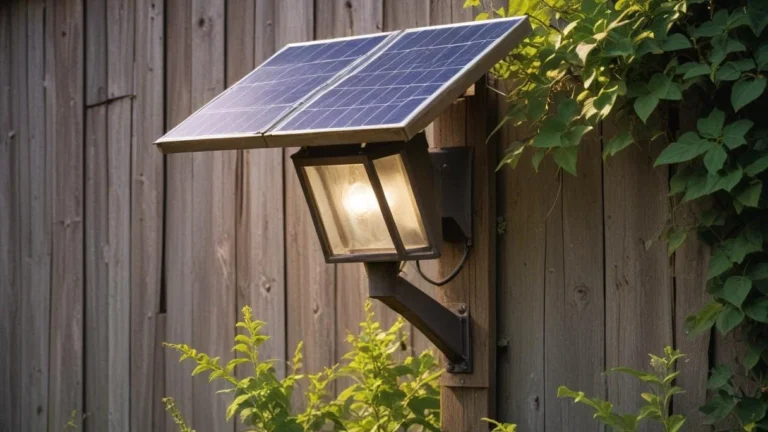
Myth: Solar landscape lighting eliminates the need for wiring maintenance plans entirely. Correction: In contrast, consumer solar batteries and panels degrade rapidly, requiring constant unit replacement.
-
Myth: IP68 waterproof ratings mean fixtures never require seal inspections or gasket replacements. Correction: Rather, rubber gaskets harden and crack under UV exposure over time, thus necessitating periodic replacement.
Ethical, Practical, and Contextual Considerations
Responsible exterior lighting maintenance extends beyond private property lines to impact nocturnal ecosystems and community character. Unmaintained or misaligned luminaires drift upward over time, contributing directly to skyglow, obscuring stellar visibility, and disrupting local insect populations and migratory bird navigation paths which rely on celestial cues. Furthermore, shifting light fixtures cause unwanted light trespass onto neighboring bedroom windows, infringing upon community privacy.
Adhering to International Dark-Sky Association guidelines, ensuring fixtures remain locked in downward-aimed positions, and verifying warm color temperatures (maximum 3000K, preferably 2700K) therefore mitigates external environmental impacts. Balancing human safety, security, and architectural expression with rigorous ecological stewardship ultimately ensures nighttime property environments remain functional, beautiful, and respectful of surrounding communities.
Conclusion
Mastering exterior property illumination maintenance requires synthesizing technical precision, electrical discipline, and material science. Instead of relying on reactive, emergency repairs, property managers who invest in structured service programs create resilient environments enduring heavy use and seasonal weather extremes. Consequently, thoughtful maintenance protocols transform deteriorating lighting assets into secure, legible, and visually compelling extensions of indoor architecture. Thus, disciplined operational oversight elevates the standard of modern property management.